What a CII Rating Actually Costs the Operator
The rating is a commercial constraint on your tonnage, not an environmental scorecard, and the bill arrives before any regulator sends one.
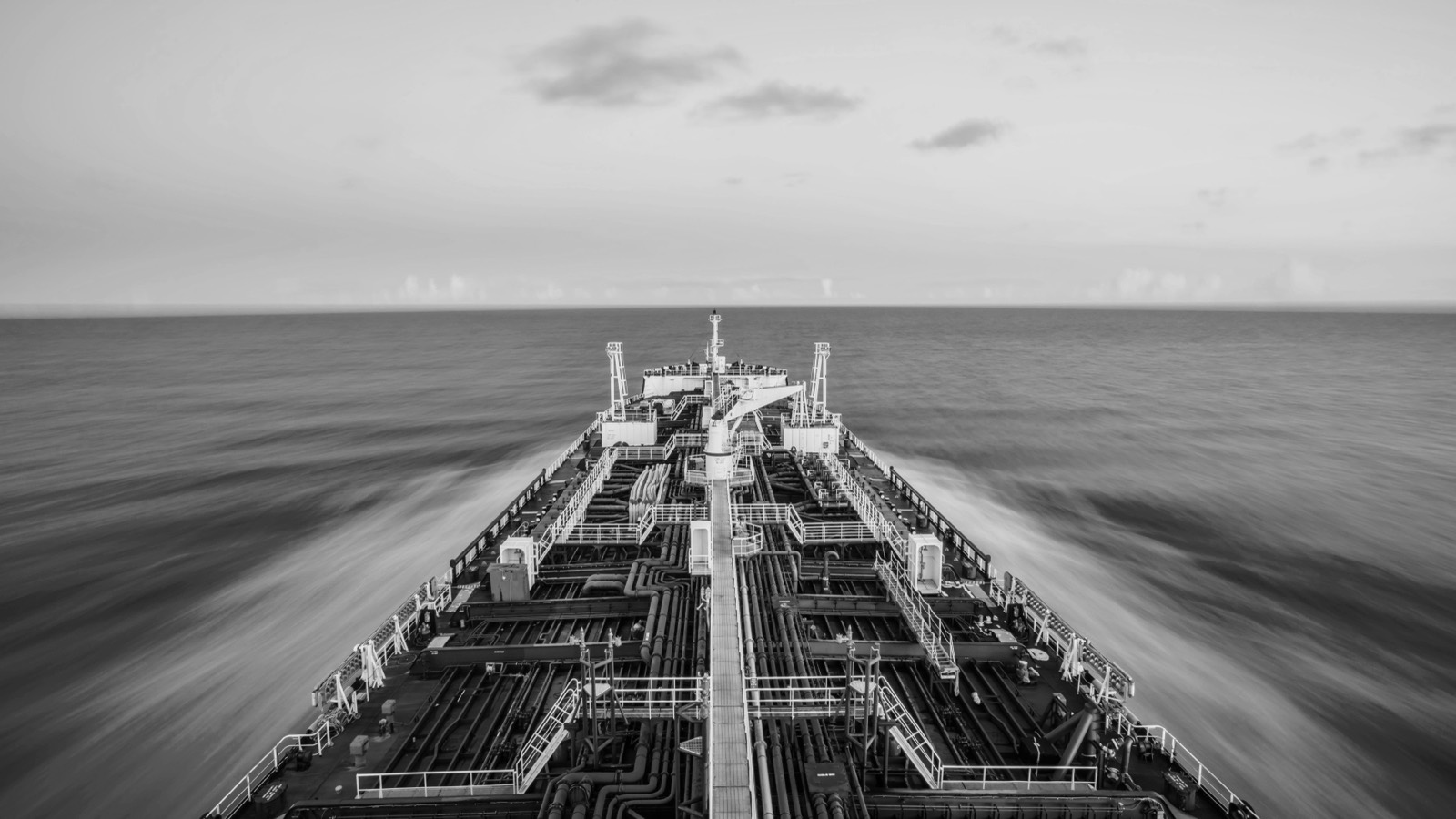
Operators do not lose sleep over CII because of the regulation. They lose sleep over what a C or a D does to a charter negotiation, to how capital gets allocated across a fleet, and to whether a given hull can keep trading the same routes into 2027.
That is the argument worth holding onto: CII is not an environmental scorecard sitting next to the SEEMP. It is a commercial constraint that quietly decides which ships get business and which ones do not. The bill lands in the chartering market well before any port state or flag administration sends one.
And here is the complication the cheerful version leaves out. The reference line tightens every year until 2030, which means a vessel rated C one year can slip to D the next without changing a single operational habit. The goalposts move, the behavior stays the same, and the rating degrades. A technical manager can run a competent operation and still watch the number fall, because the metric was designed to fall. That is a known weakness in the methodology, and it is the reason the rating has been criticized across the sector as a measure of effort. Knowing it changes how you should manage to it.
What the rating is measuring
CII measures the grams of CO2 a vessel emits per unit of cargo-carrying capacity and nautical mile over a calendar year, and assigns an A to E rating against a reference line that tightens annually. The distinction matters: for most ship types the metric is the Annual Efficiency Ratio, which uses deadweight capacity rather than the cargo actually carried, so a vessel trading part-laden is not credited for the empty space. The tonne-mile denominator is the part operators underweight. The rating does not reward a clean operation in the abstract. It rewards cargo carried over distance, and it penalizes everything that burns fuel without moving cargo.
Three things quietly drive a bad rating
- Ballast voyages that are not planned. Every mile at ballast counts against the tonne-mile denominator without carrying cargo. Speed profile matters disproportionately here, and ballast-leg voyage planning is where most fleets are thinnest.
- Hull and propeller fouling that has been normalized. Most operators know their performance is degrading. Fewer track it in a way that produces a defensible cleaning decision. The vessel burns more fuel per tonne-mile, and the rating slides.
- Auxiliary load during port stays and at anchor. It is often invisible in the data because noon reports do not capture it accurately, but over a calendar year it is a real contributor.
What improves a rating inside one trading year
- Voyage optimization on the ballast leg, not just the laden one. Weather routing that accounts for the full round trip, not only the cargo-paying segment.
- Fouling management based on observed performance decay, not a fixed dry-docking schedule. If the data shows a 5% propulsive power penalty, that is a commercial decision, not a maintenance one.
- Clean, high-frequency fuel data by engine and mode. You cannot improve, or defend to the class society in April, what you have not measured.
The operators getting ahead of this are not doing anything exotic. They run CII as a quarterly forecast rather than an annual surprise. They treat voyage optimization as a rating lever, not only a fuel-bill lever. And they close the loop between what the crew reports and what the charterer sees.
None of this resolves the underlying problem that the line moves whether you improve or not. It does not. What it buys is room: the operator who manages the rating quarterly knows where the fleet stands before the charterer does, and can decide which hulls to defend, which to redeploy, and which to let go. The one who waits for the year-end number forfeits that choice.
If a fleet is trending toward D on its current trajectory, most of the levers are operational, not capital, and that is the good news. The bad news is that another year of ignoring them turns a manageable rating problem into a 2027 trading problem, and the person who inherits that is the technical manager who was never given the time to read the circular in the first place.
The cost of a rating starts with knowing which one you have. Put a vessel's capacity, distance and annual fuel in and see the attained and required CII, and the band it lands in.
Calculate your CII rating→Sources
- IMO, EEXI and CII frequently asked questions
- IMO, Resolution MEPC.352(78), 2022 Guidelines on operational carbon intensity indicators and calculation methods (G1)
- IMO, Resolution MEPC.338(76), 2021 Guidelines on operational carbon intensity reduction factors (G3), as amended by Resolution MEPC.400(83) which set the factors for 2027 to 2030
- Lloyd's Register, Carbon Intensity Indicator compliance guidance
- DNV, Carbon Intensity Indicator (CII): insights and support
Continue reading
Common questions
What is the CII (Carbon Intensity Indicator)?
CII measures the grams of CO2 a vessel emits per unit of cargo-carrying capacity and nautical mile over a calendar year, and assigns an A to E rating. For most ship types the metric is the Annual Efficiency Ratio, based on deadweight capacity rather than cargo actually carried. The reference line tightens every year to 2030, so a vessel rated C one year can slip to D the next without changing how it operates.
Why does a CII rating matter commercially?
A poor CII rating is a commercial constraint, not just an environmental score. It affects charter negotiations, capital allocation across a fleet, and whether tonnage can keep trading the same routes, well before any regulatory penalty applies.
How can operators improve a CII rating within a trading year?
Most of the levers are operational, not capital: optimizing speed and routing voyage by voyage, cutting time at anchor and idle consumption, and keeping the hull and propeller clean. Running CII as a continuous per-voyage forecast, rather than a year-end number, is what lets you act in time.
Want to learn more?
Talk to our team about voyage optimization for your fleet.